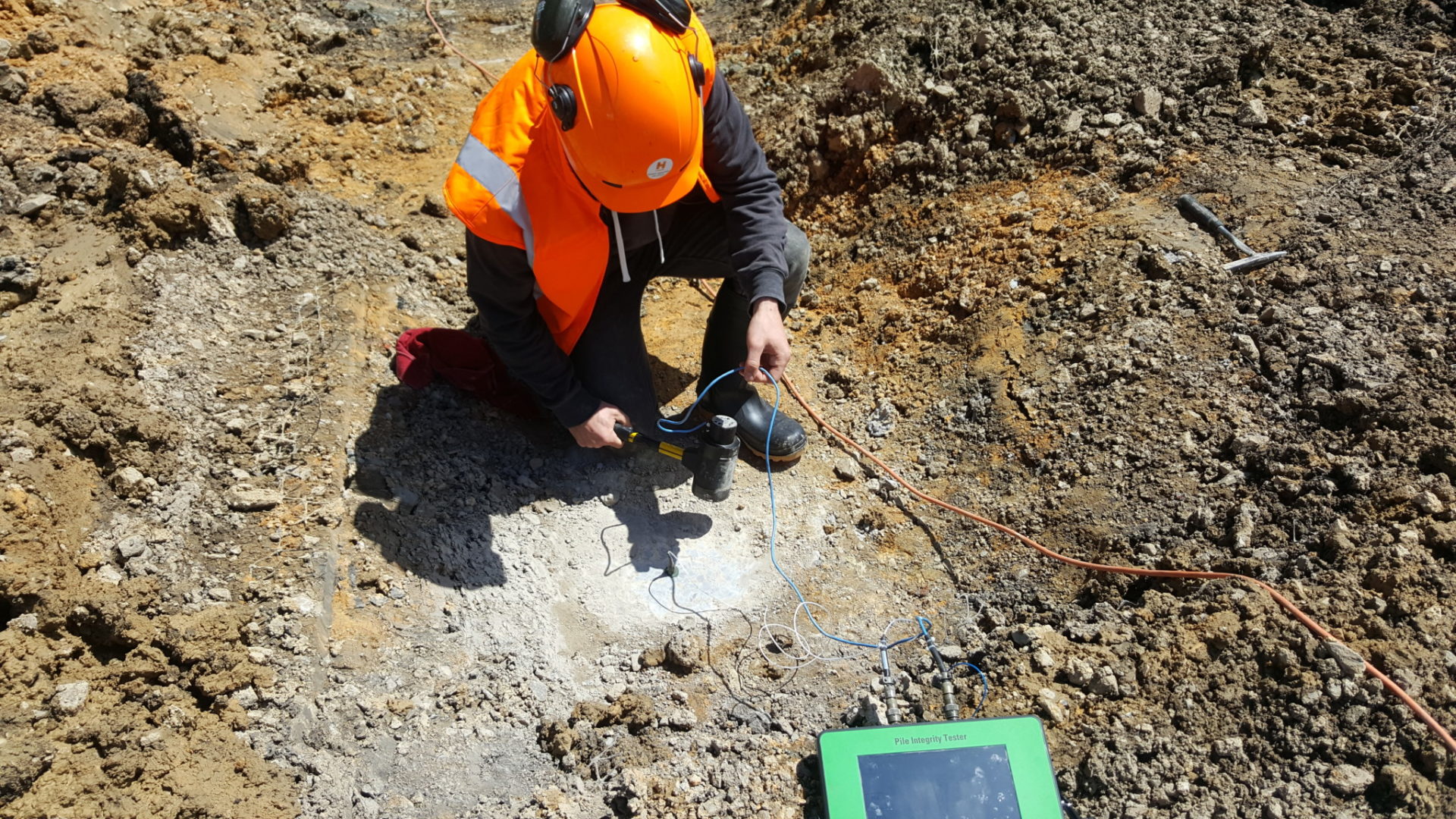
Material Testing
Infrastructure Integrity & Material Evaluation Services
Our specialized material testing services provide data-driven insights to ensure the safety, durability, and compliance of your infrastructure. By leveraging advanced technology and deep laboratory expertise, we modernize construction standards and guarantee long-term structural integrity. Our approach combines rigorous field inspections with standardized laboratory analysis to mitigate risk at every stage of the project lifecycle
- Comprehensive Health Evaluation
- Precision Quality Assurance
- Expert Technical Guidance
- Foundation Integrity Verification
- In-Situ Material Diagnostics
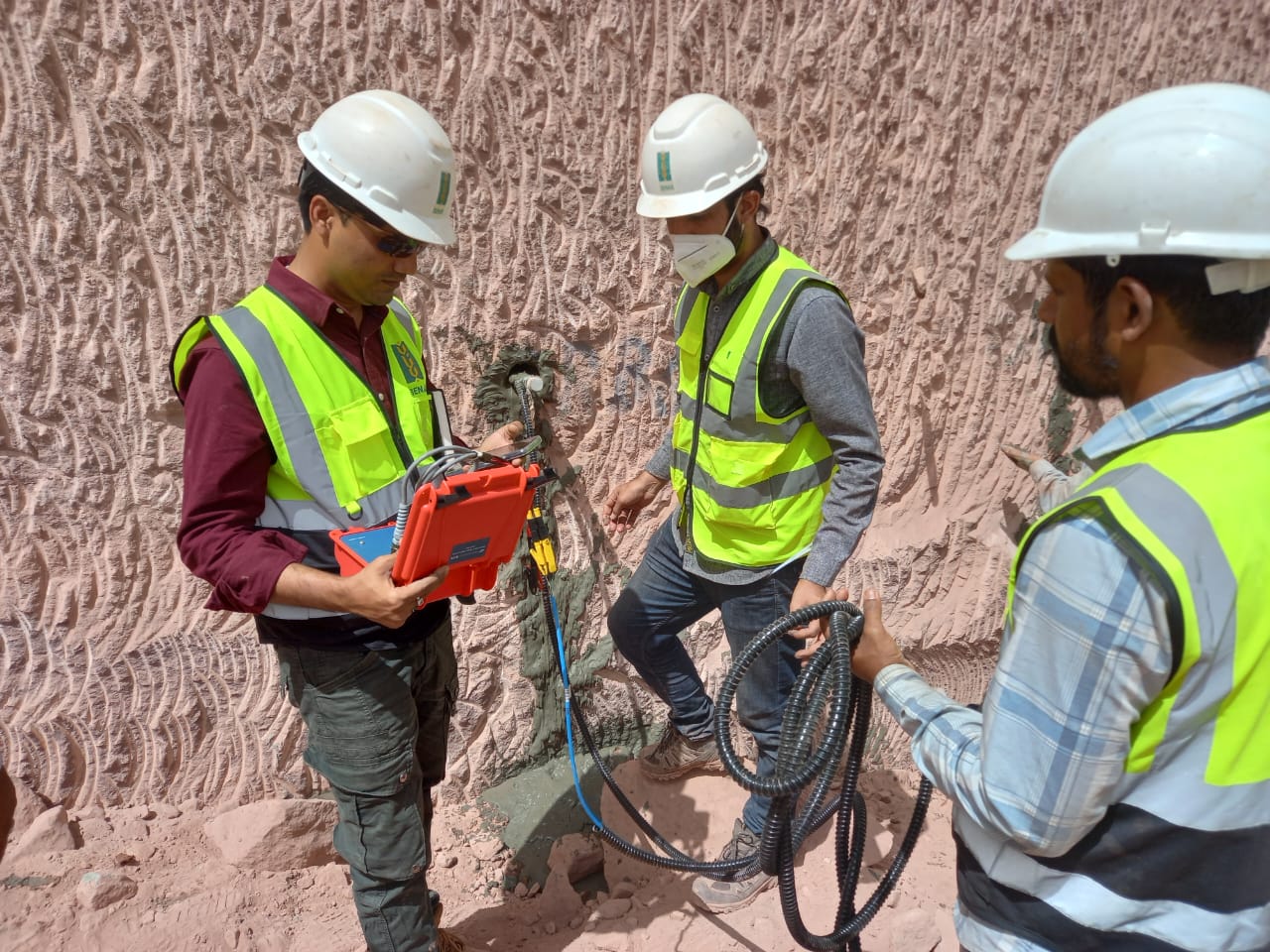
Structural Evaluation & Testing Services
Condition Assessment of the Structures
Evaluation of the structural health and performance through systematic inspection, data analysis, and identification of existing or potential defects
- Systematic evaluation of structural health, safety, and serviceability.
- Involves visual inspection, data collection, and analysis of defects.
- Identifies causes and severity of deterioration or damage.
- Provides a basis for decisions on maintenance, repair, or rehabilitation.
- Often includes recommendations for further testing or monitoring.
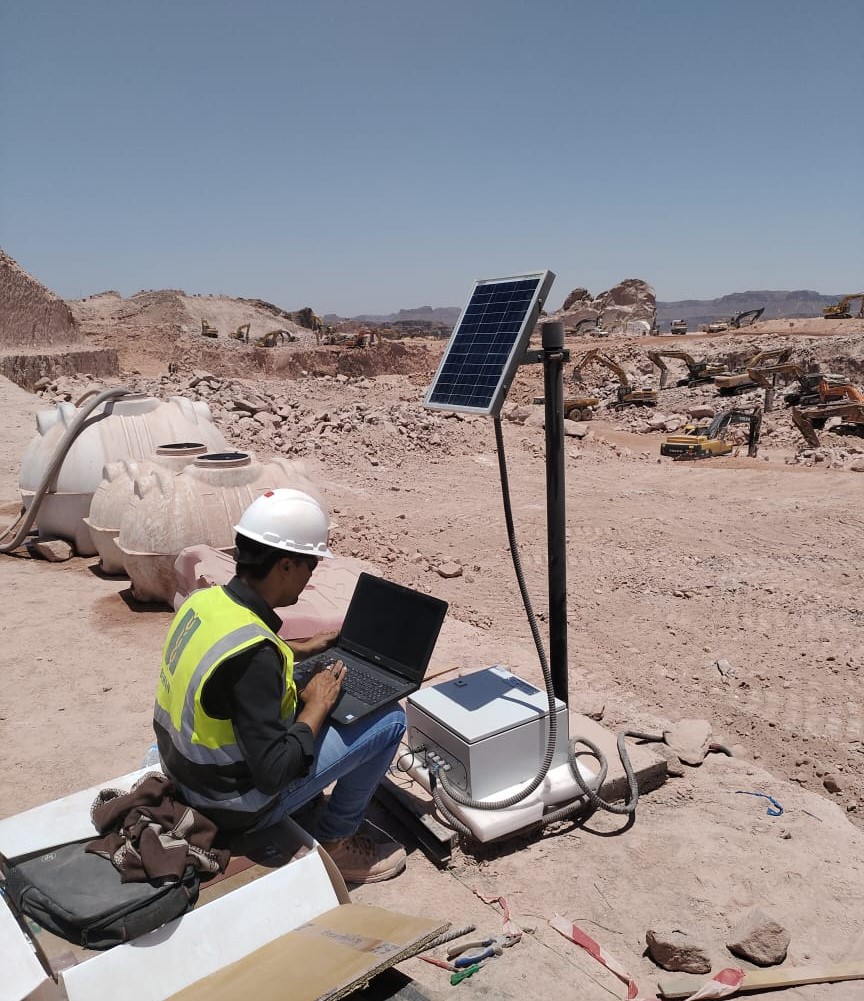
Concrete NDT Inspection
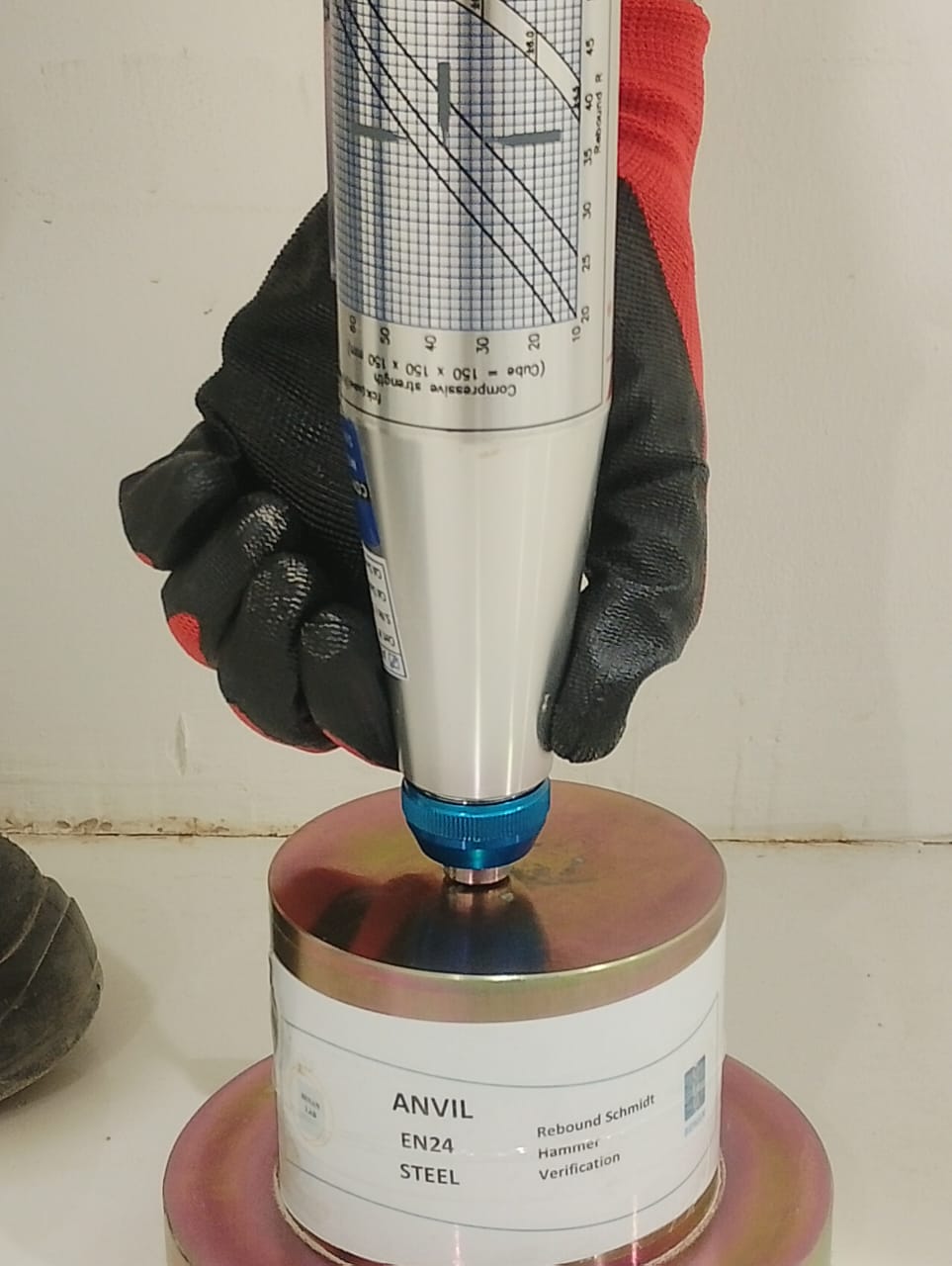
Non-destructive testing of concrete elements to determine in-situ strength, uniformity, and integrity without causing damage to the structure
- Non-destructive evaluation of in-situ strength, uniformity, and integrity.
- Common methods: Rebound Hammer (surface hardness), Ultrasonic Pulse Velocity (internal flaws), Cover Meter (rebar location), Half-Cell Potentiometer (corrosion potential).
- Provides data without damaging the structural element.
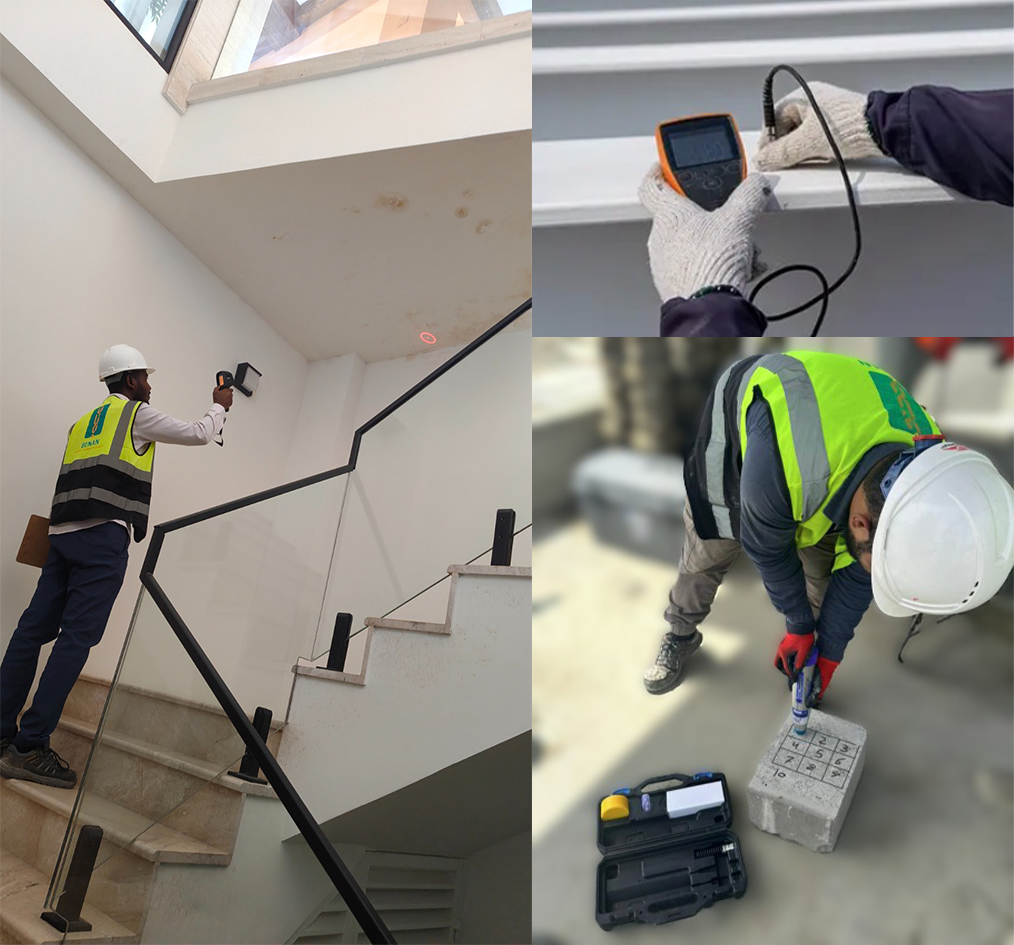
Detailed Visual Examination
Comprehensive on-site inspection of structural components to identify surface defects, deterioration signs, and compliance with design specifications
- Comprehensive, hands-on inspection of all accessible structural components.
- Documents surface defects like cracks, spalling, staining, and corrosion. Checks for signs of distress (e.g., deflection, misalignment, water leakage).
- Verifies as-built conditions against design drawings and specifications.
- Forms the primary and foundational step in any condition assessment.
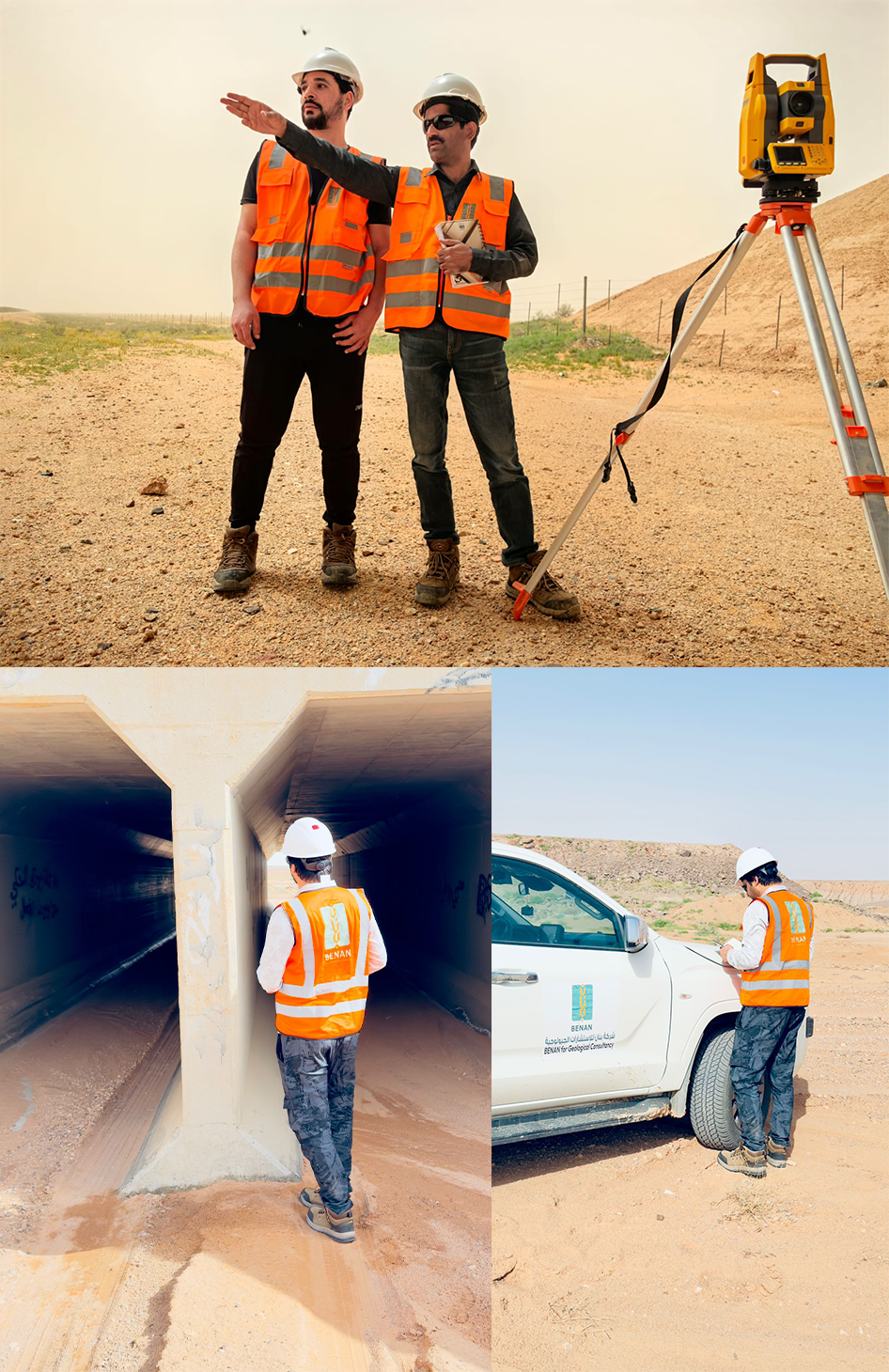
Civil Laboratory Tests:
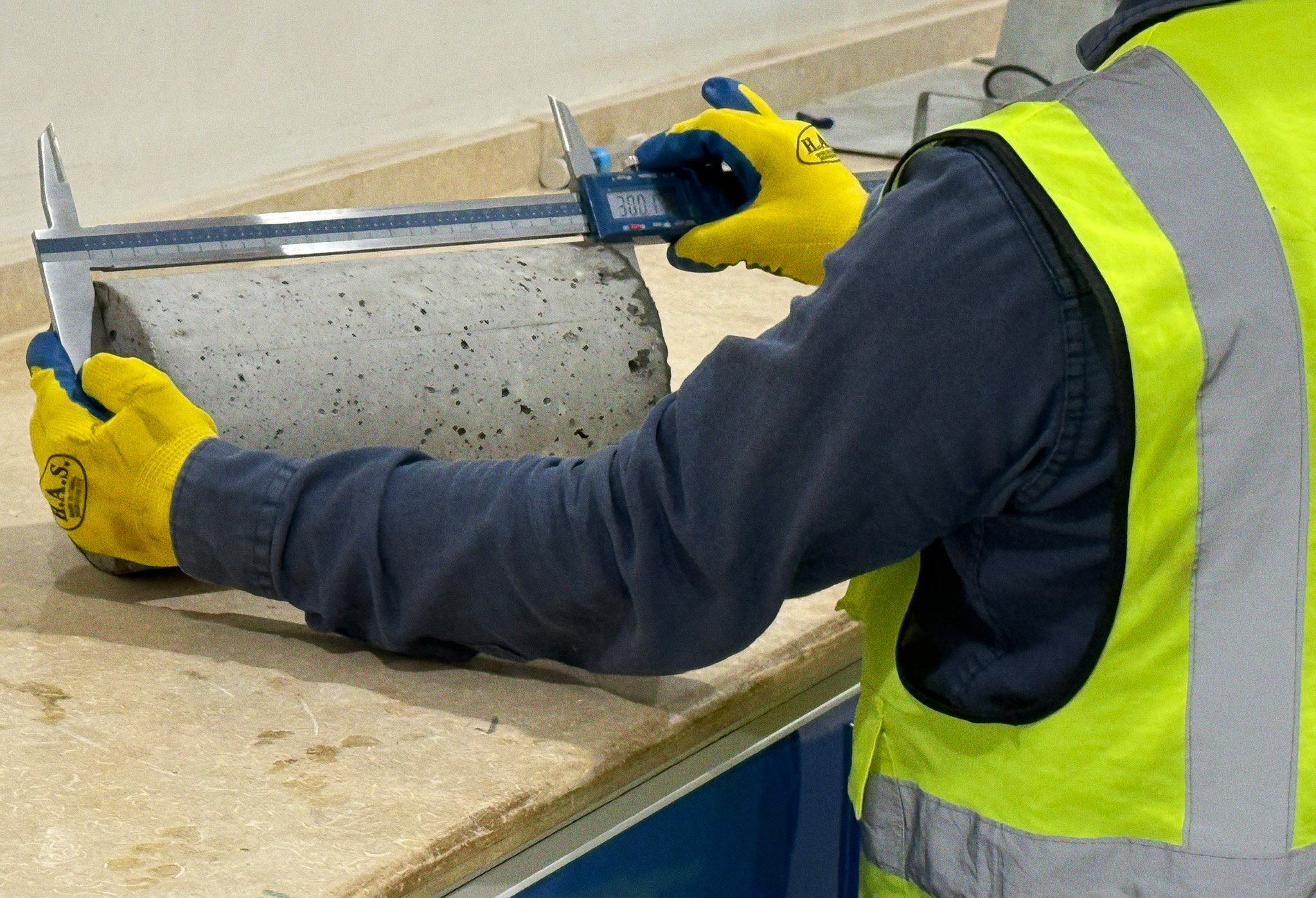
Execution of standardized material tests on soil, aggregate, concrete, and asphalt to verify compliance with engineering and quality requirements
- Standardized physical and chemical tests on construction materials.
- Soil: Classification, compaction (Proctor), shear strength, consolidation and many others
- Concrete: Compressive/tensile strength, slump, air content, chloride content and many others
- Aggregates: Gradation, abrasion resistance, specific gravity, PSV and many others.
- Asphalt: Binder grade, mix design, Marshall stability, density and many others.
Concrete Consultancy Services:
Expert guidance on mix design optimization, durability enhancement, repair solutions, and quality assurance practices for concrete structures
- Mix Design: Optimization for strength, durability, workability, and special properties (e.g., low heat, high early strength).
- Durability Planning: Advice on mixes and practices for harsh environments (marine, sulphate, freeze-thaw).
- Repair & Rehabilitation: Diagnosis of failure causes and specification of repair materials/methods (e.g., cathodic protection, overlays).
Pile Quality Testing (PIT & CSL)
Assessment of pile integrity and continuity using sonic and crosshole testing methods to ensure foundation reliability and performance
- PIT (Pile Integrity Test): Low-strain impact test to assess pile continuity and length; detects major cracks, necking, or soil inclusions.
- CSL (Crosshole Sonic Logging): Uses probes in access tubes to create a profile of the pile's concrete integrity and homogeneity; excellent for deep foundations and diaphragm walls.
- Ensures foundation reliability by confirming proper construction before superstructure work proceeds.