Geotechnical Investigation services focus on analyzing the Earth’s subsurface conditions to ensure safe, stable, and efficient construction and infrastructure development. These services help evaluate soil, rock, groundwater, and environmental factors to support informed engineering decisions and minimize project risks
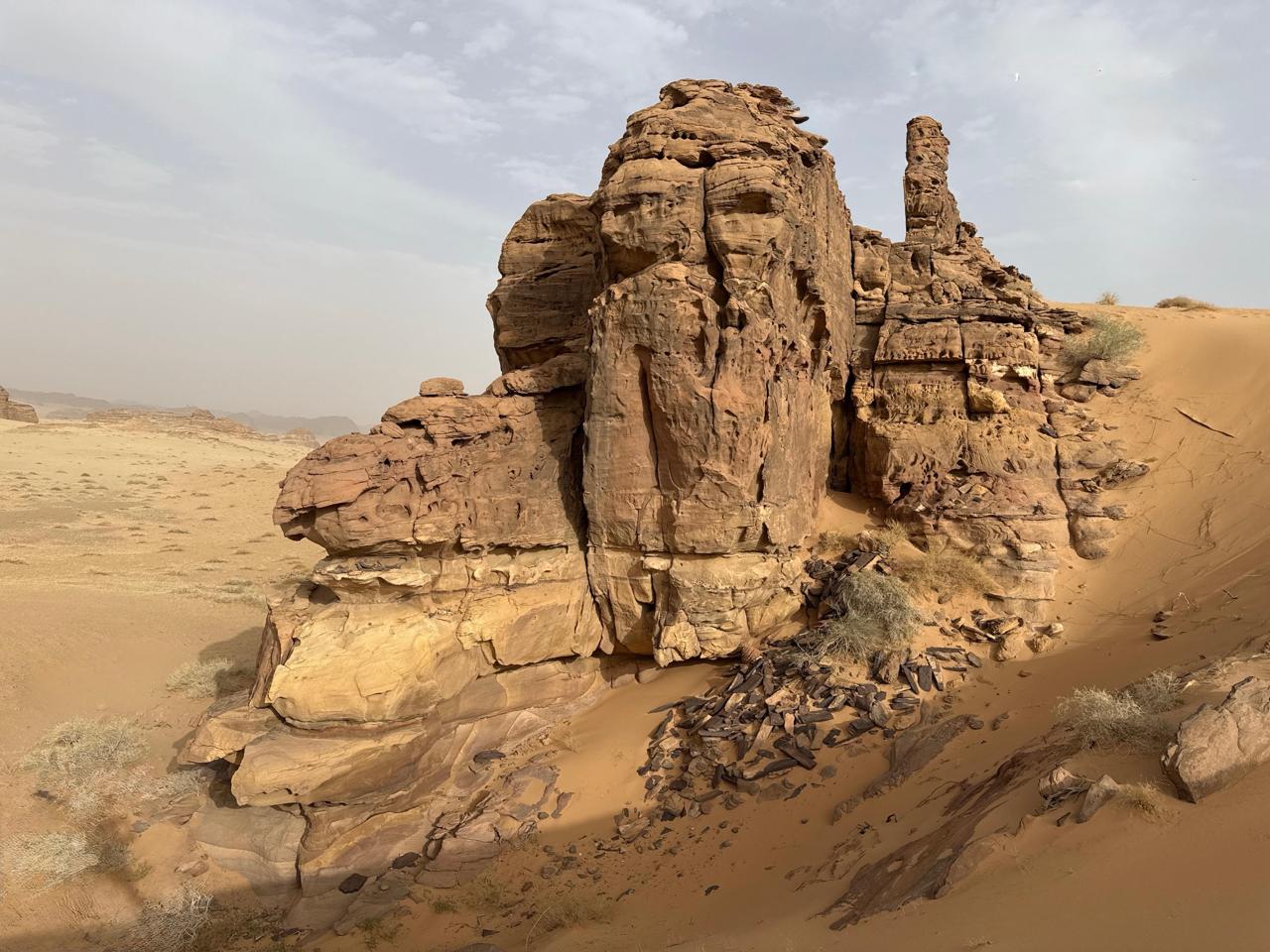
Assess soil and rock properties for construction suitability
Analyze ground stability and foundation requirements
Evaluate groundwater conditions and drainage behavior
Identify potential geotechnical risks early
Support safe, compliant, and cost-effective project design
Our Core Geotechnical & Geo-Engineering Services
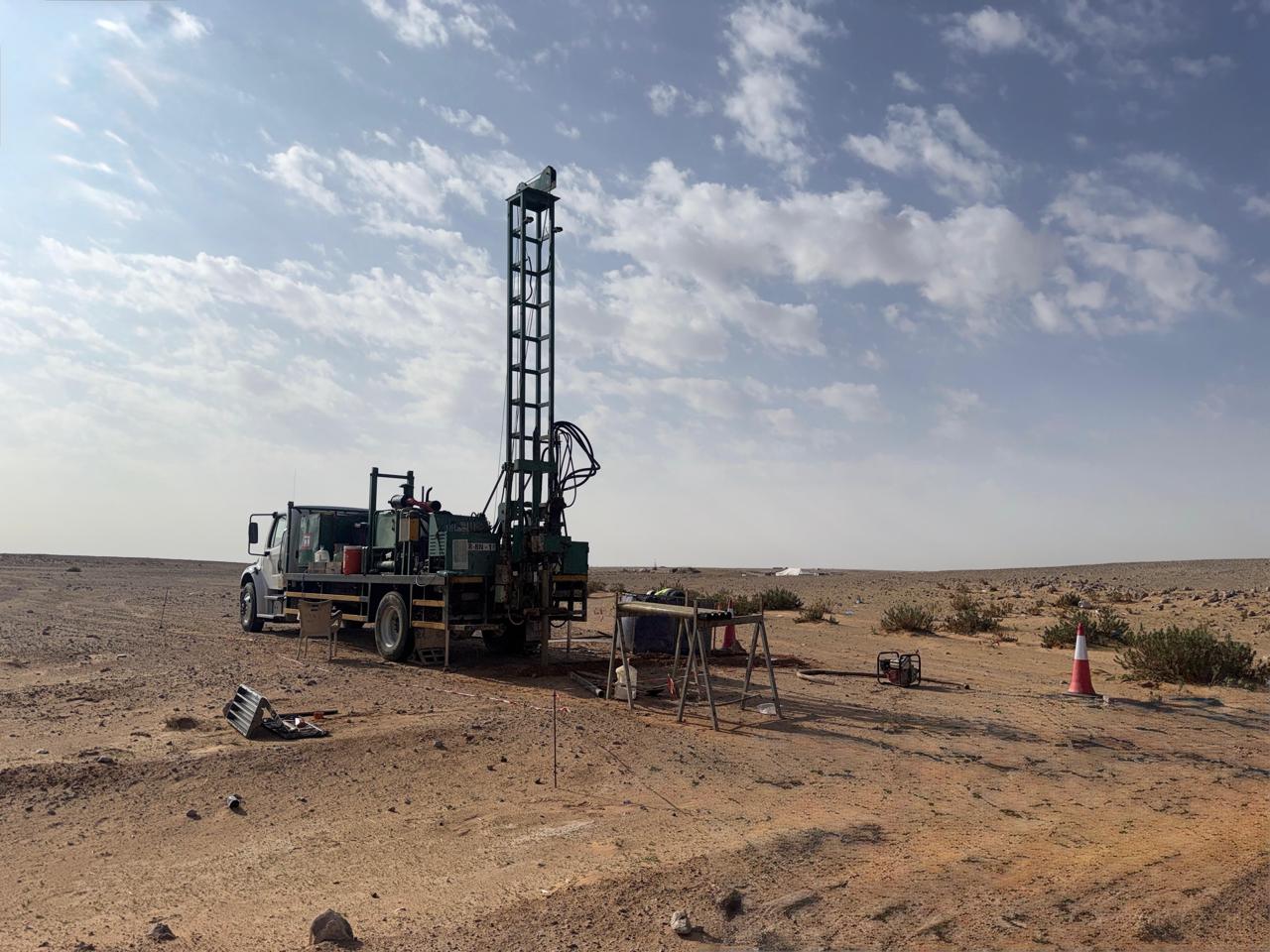
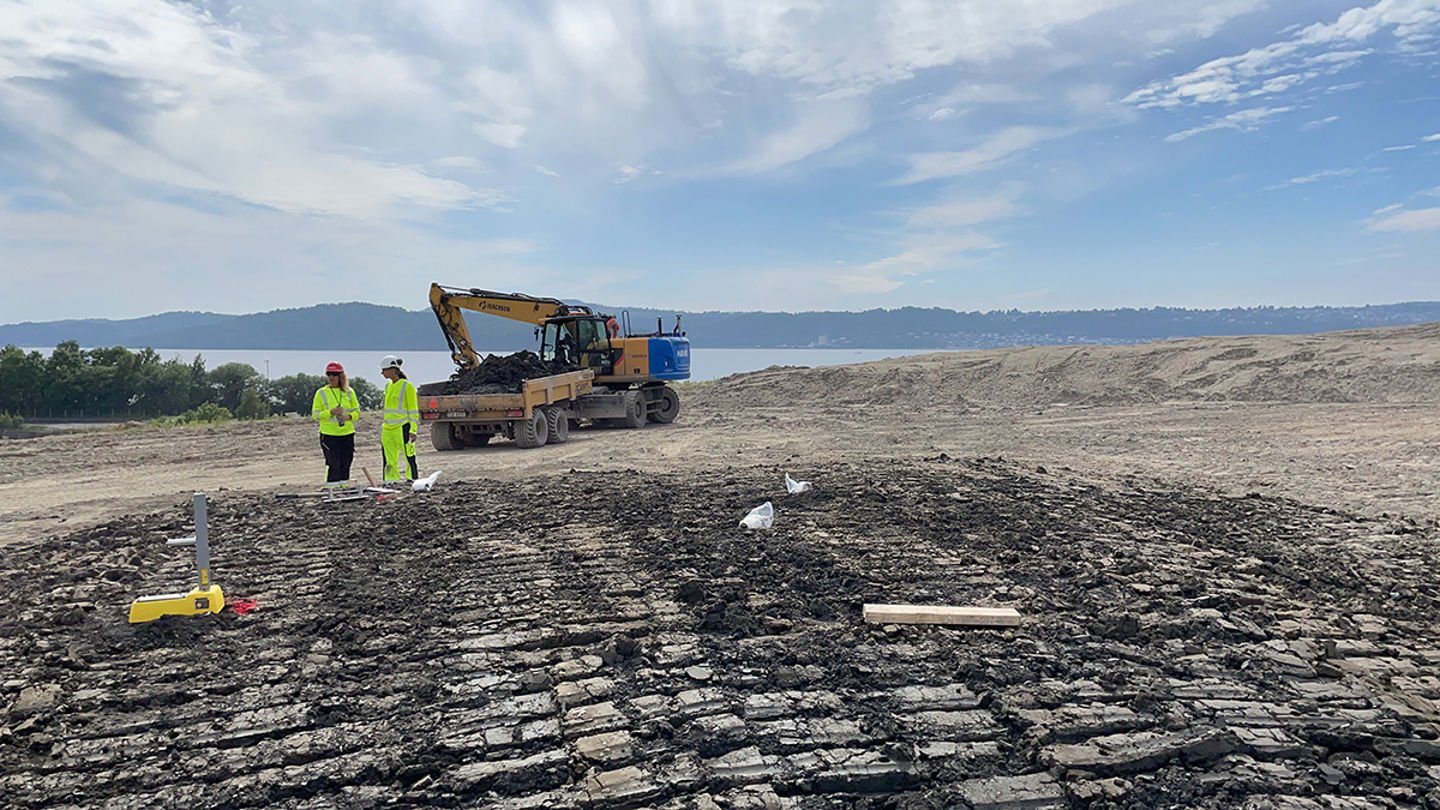
Site Investigation and Characterization
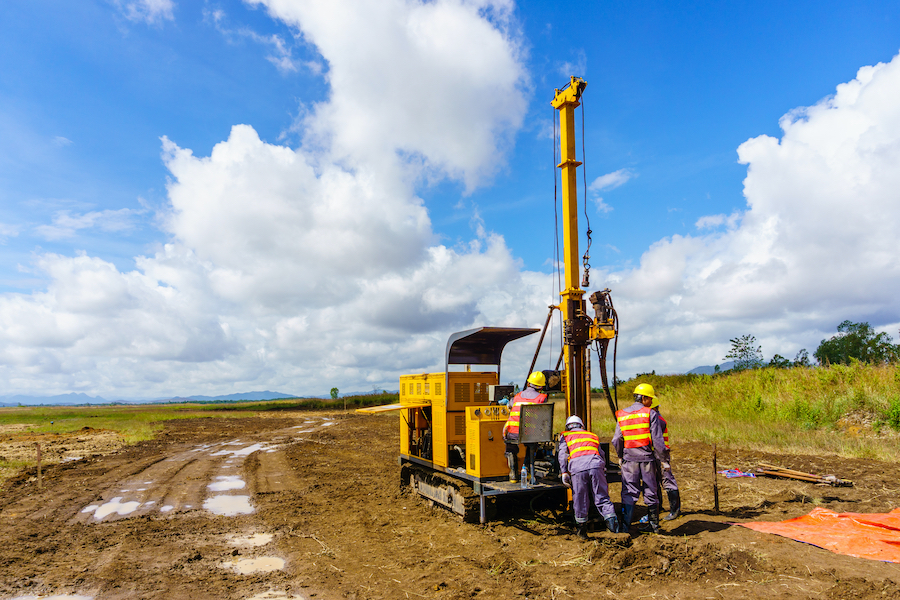
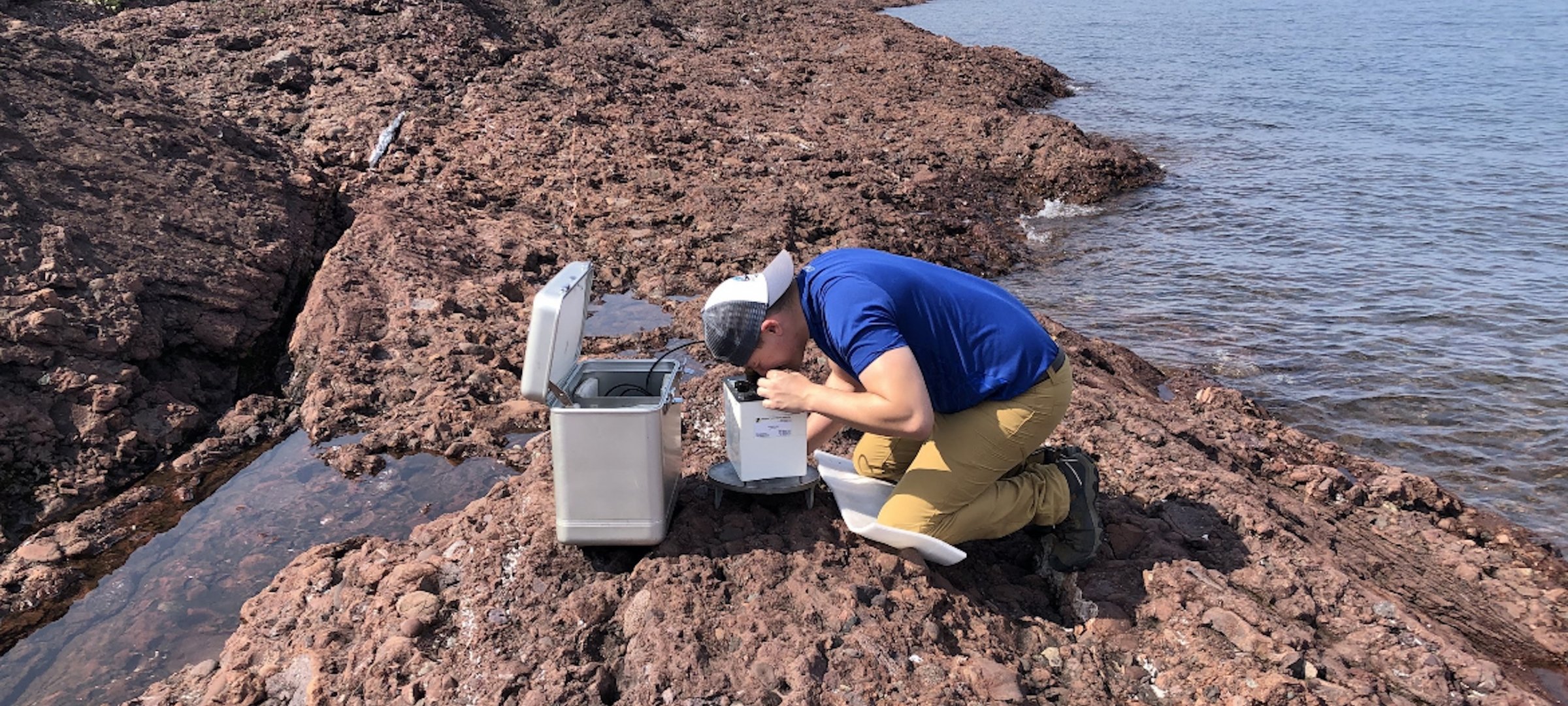
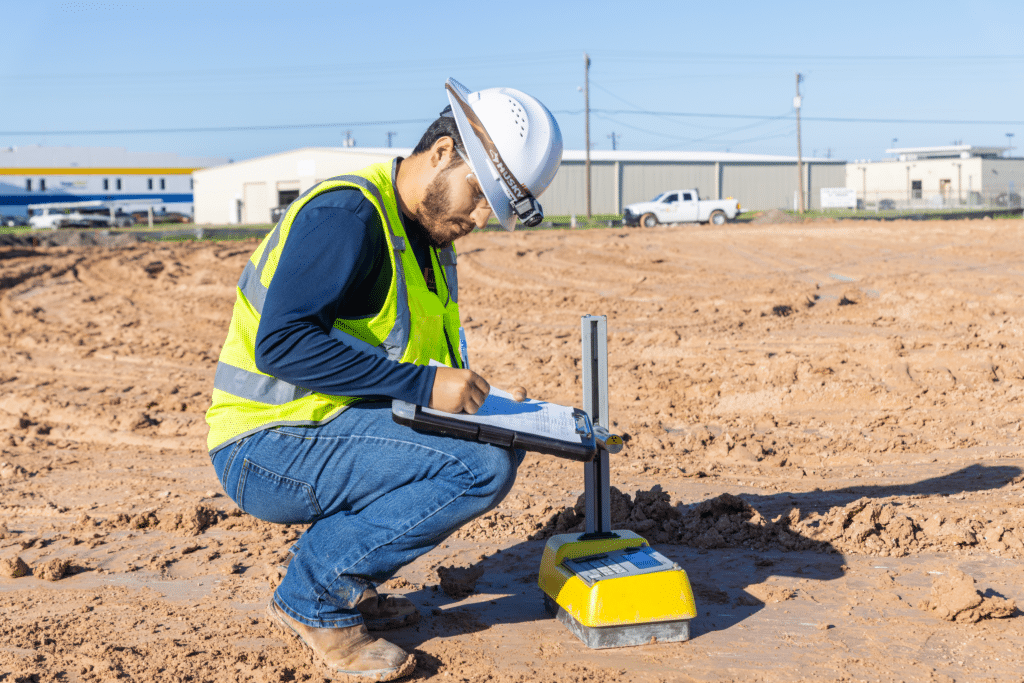
Conducting surveys and assessments to understand soil, rock, and groundwater conditions at a project site. This includes techniques such as drilling, sampling, and laboratory testing to determine properties like strength, permeability, and composition.
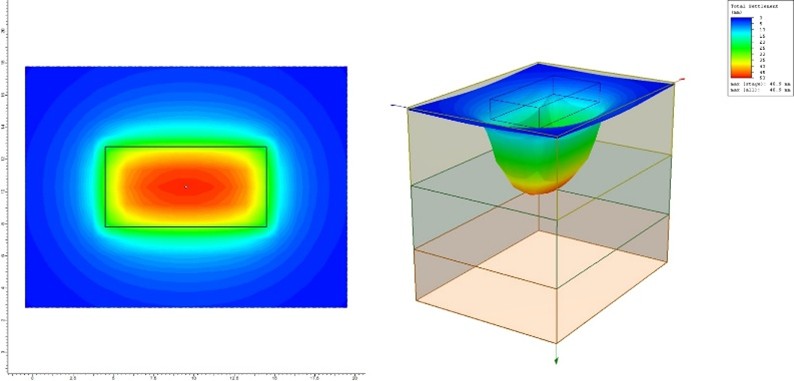
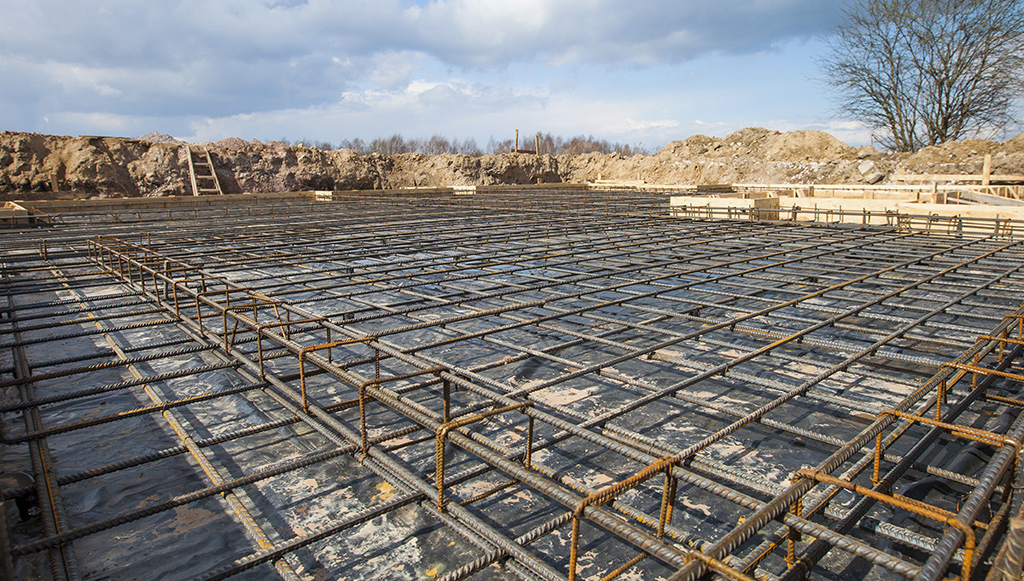
Foundation Design and Analysis
Designing foundations for buildings, bridges, dams, and other structures based on geotechnical data. This involves assessing bearing capacity, settlement analysis, and recommending appropriate foundation types (e.g., shallow foundations, deep foundations).
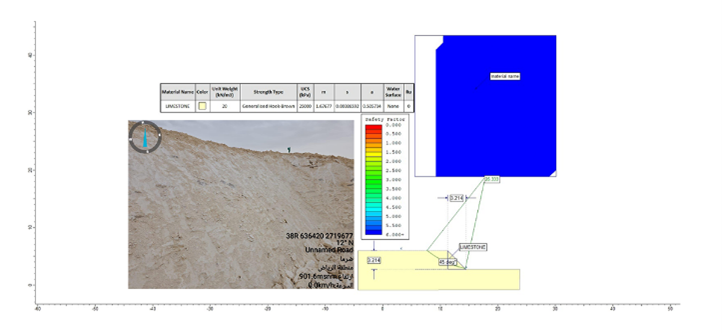
Slope Stability Analysis
Evaluating the stability of natural slopes and engineered slopes (such as embankments and cut slopes) to prevent landslides and other stability issues. This includes assessing factors like soil mechanics, groundwater conditions, and external loading.
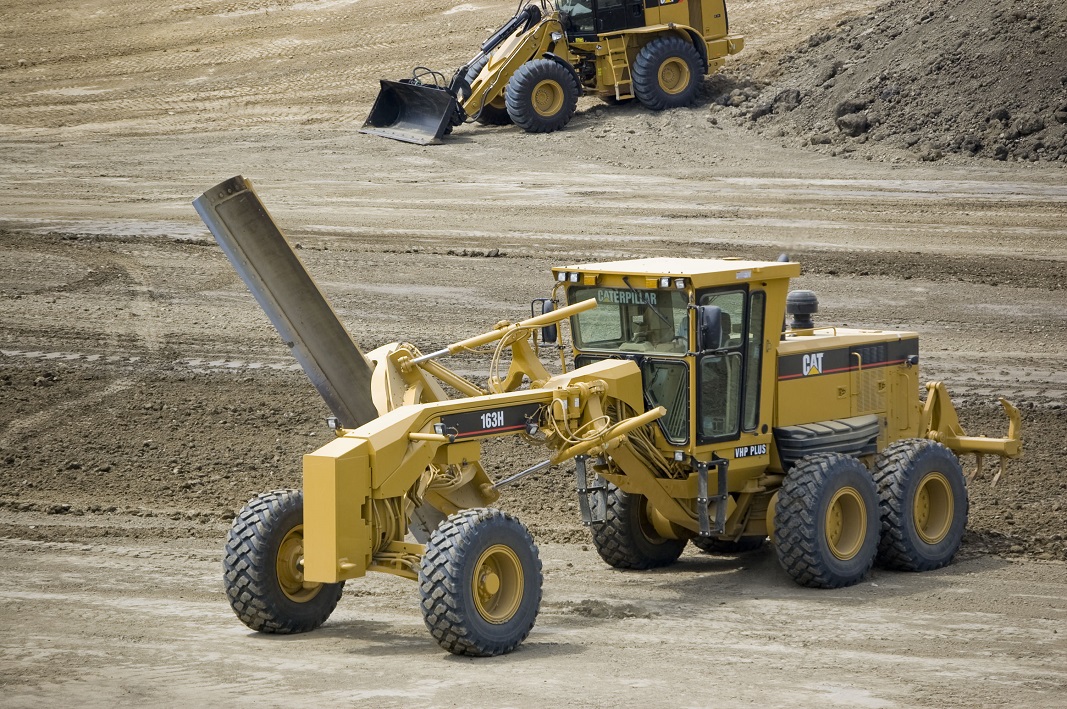
Earthworks and Excavation Design
Providing engineering solutions for earthworks and excavation projects, ensuring stability, safety, and cost-effectiveness. This includes designing retaining structures, slope reinforcements, and erosion control measures.
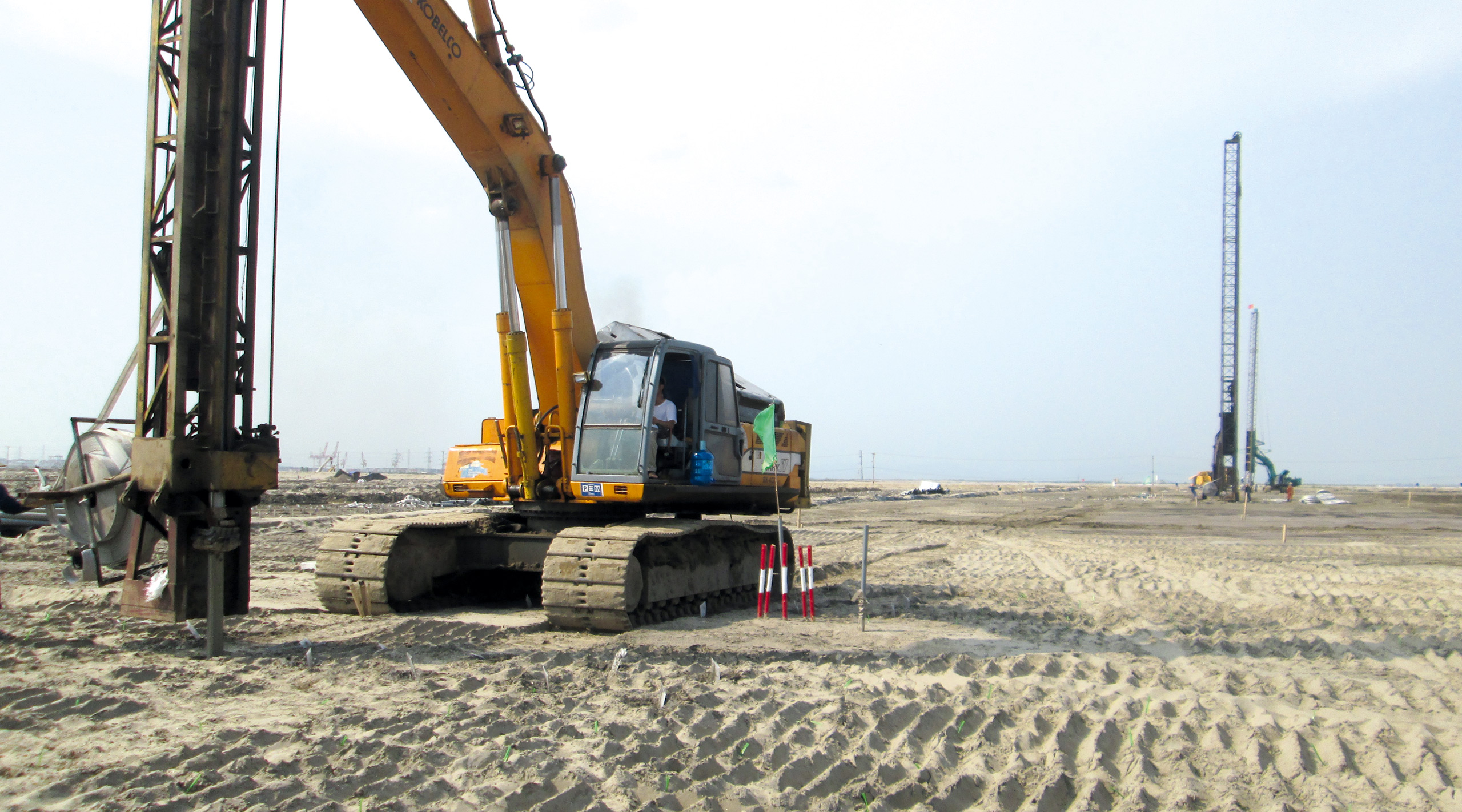
Ground Improvement Techniques
Improving the performance of soils and rocks through specialized ground treatment techniques to increase strength, stability, and durability. This includes soil stabilization, grouting, compaction, and dynamic compaction methods.
Environmental Geotechnics
Providing geotechnical solutions for environmental projects, ensuring sustainable and safe site development. This includes landfill design, contaminated site remediation, and groundwater flow and protection measures.
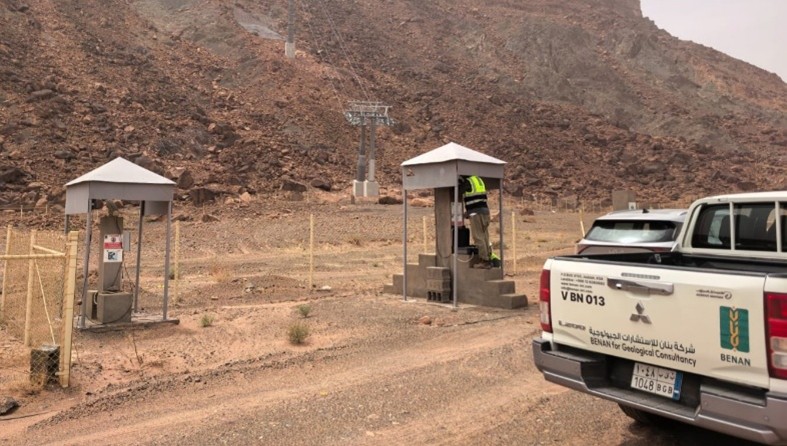
Geotechnical Instrumentation and Monitoring
Installing and monitoring instrumentation to measure ground movement, pore pressure, and other parameters during construction and operation phases of projects.
Geotechnical Risk Assessment and Mitigation
Identifying potential geotechnical hazards and risks (e.g., liquefaction, subsidence) and recommending mitigation measures to minimize their impact on projects.
Geo-Engineering for Natural Hazards
Developing strategies to mitigate natural hazards like earthquakes, tsunamis, and volcanic eruptions through geotechnical engineering principles.
Geotechnical Consultancy and Expert Witness Services
Providing expert advice, reports, and testimony for legal and regulatory purposes related to geotechnical issues in construction disputes, insurance claims, and litigation cases.